HOW IT WORKS
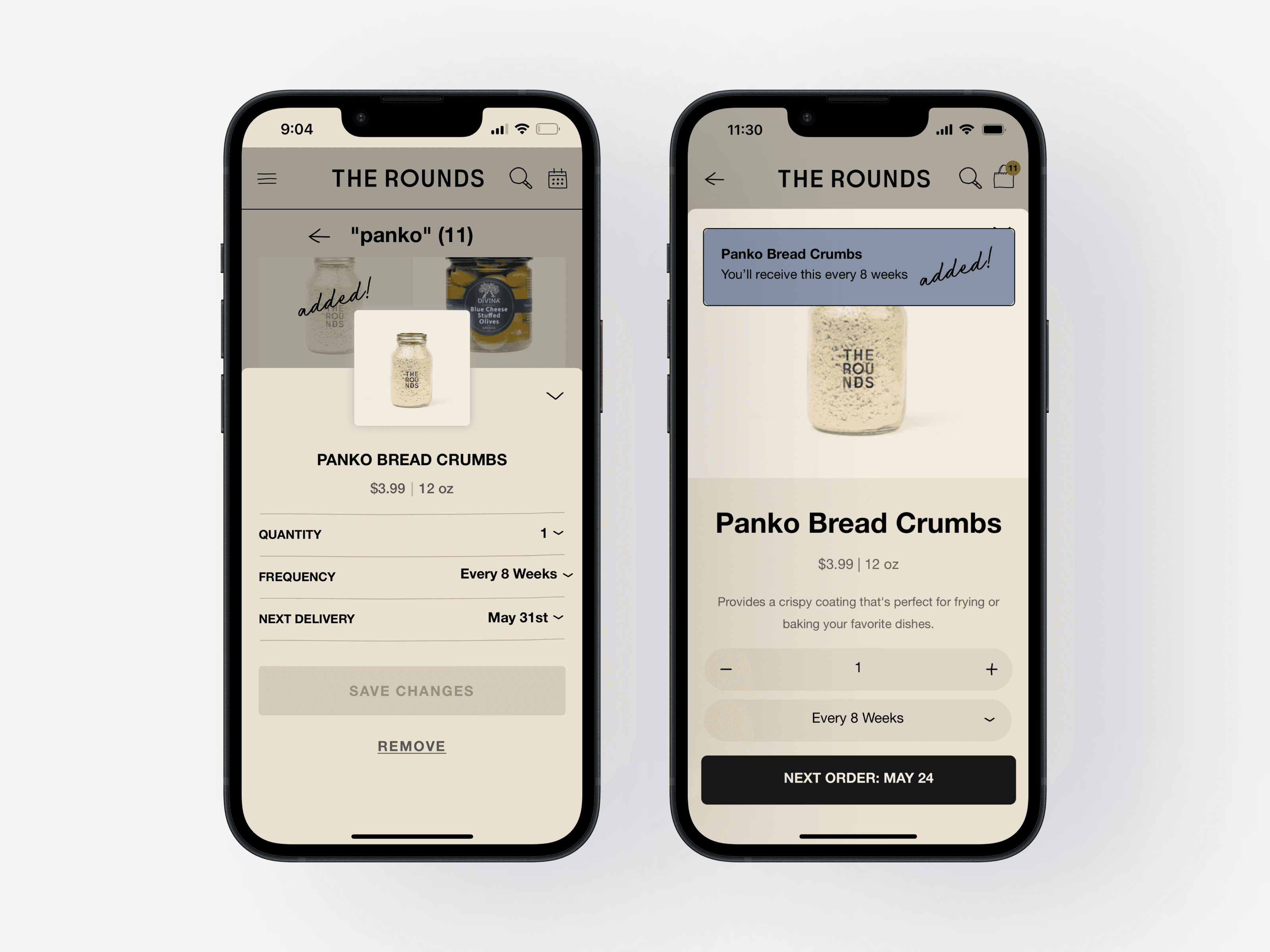
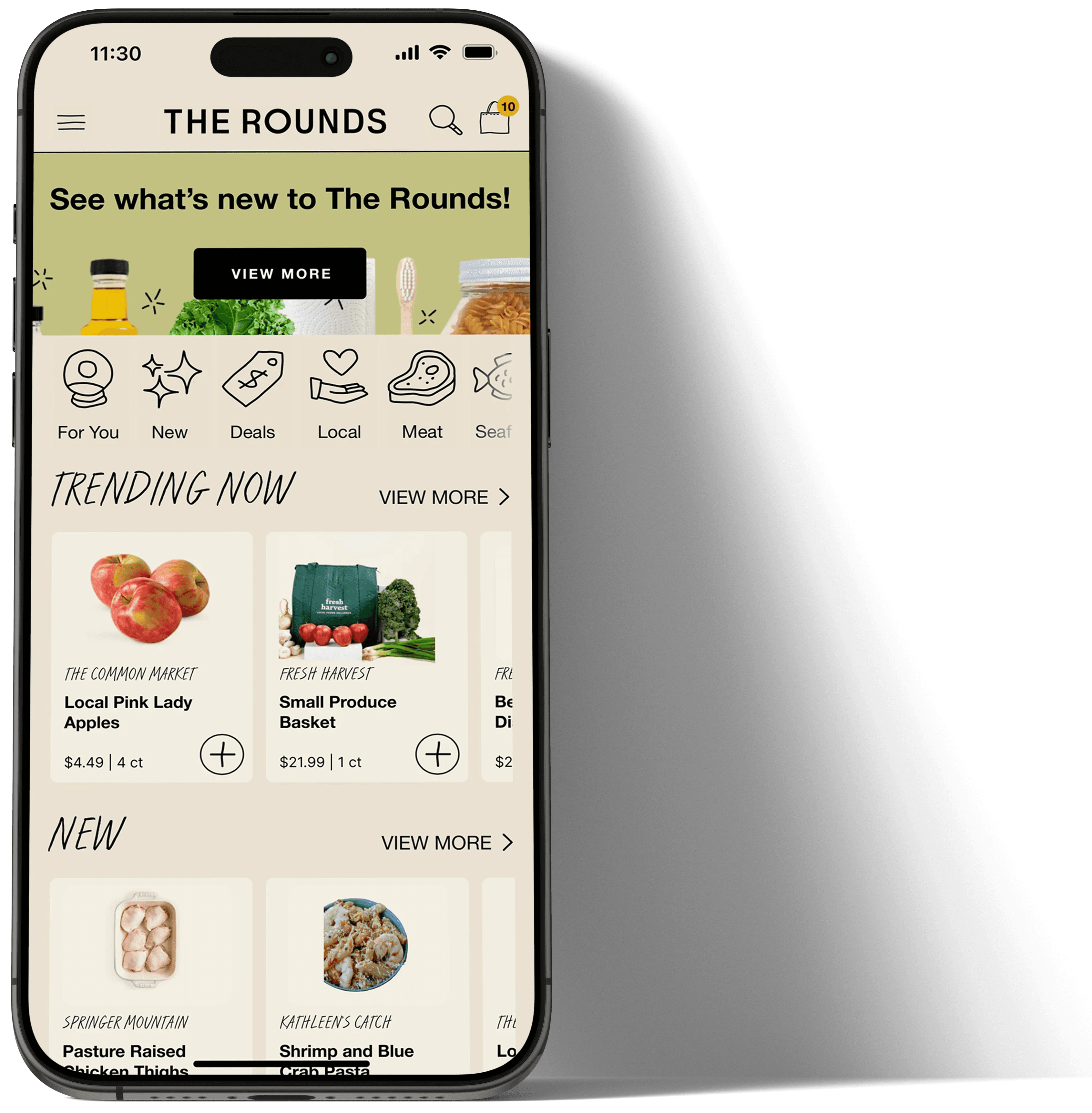
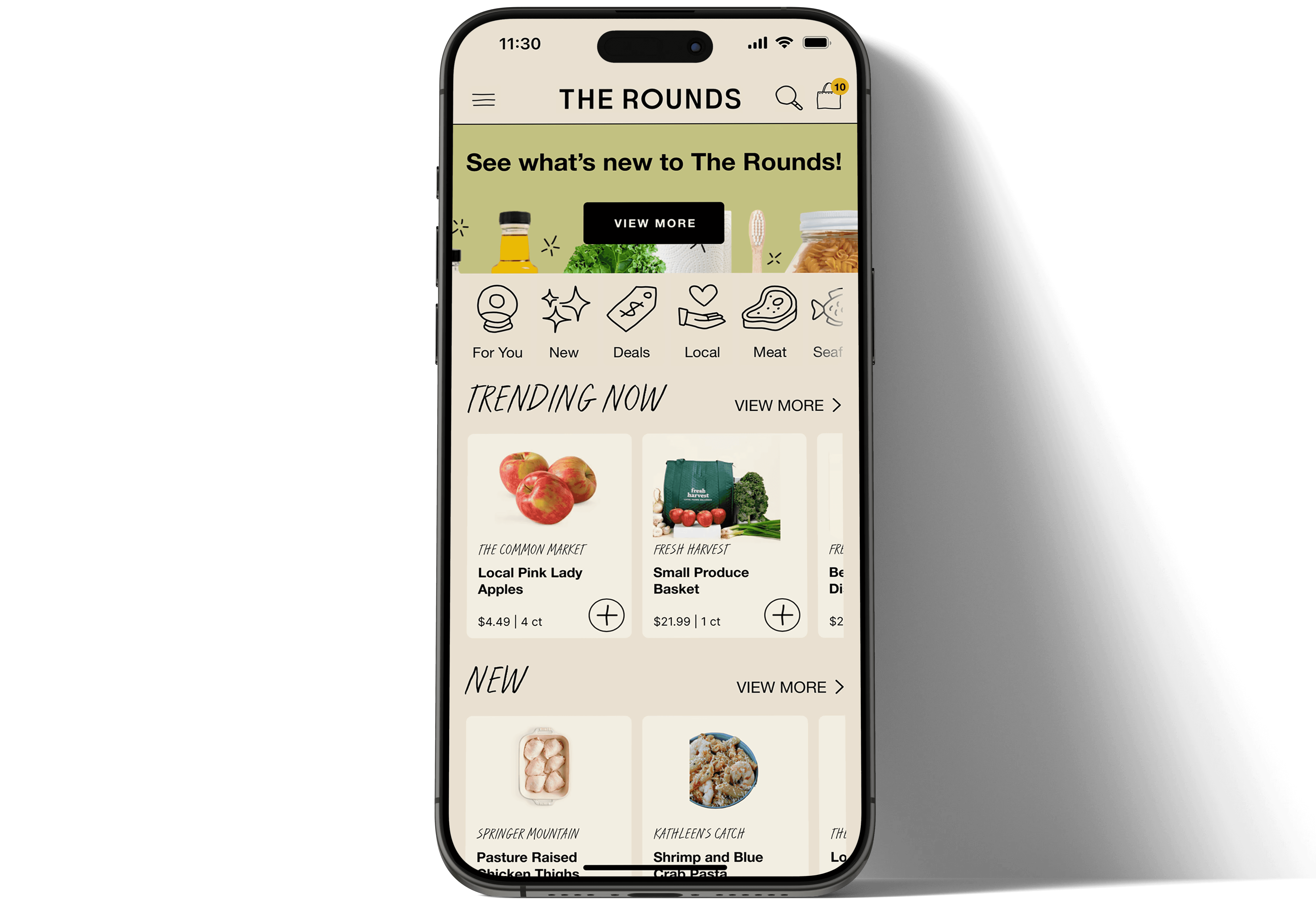
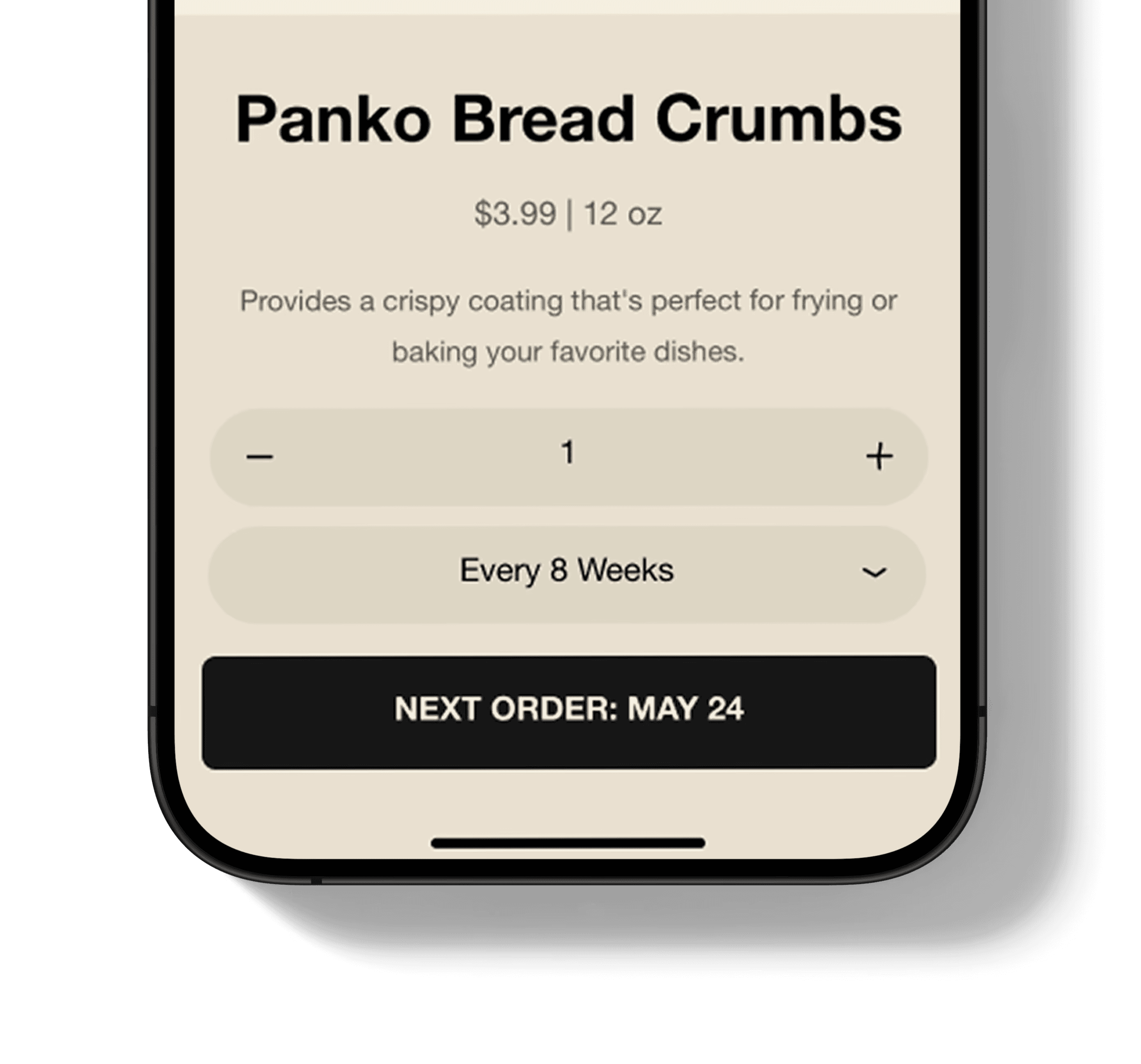
Subscribe to items individually
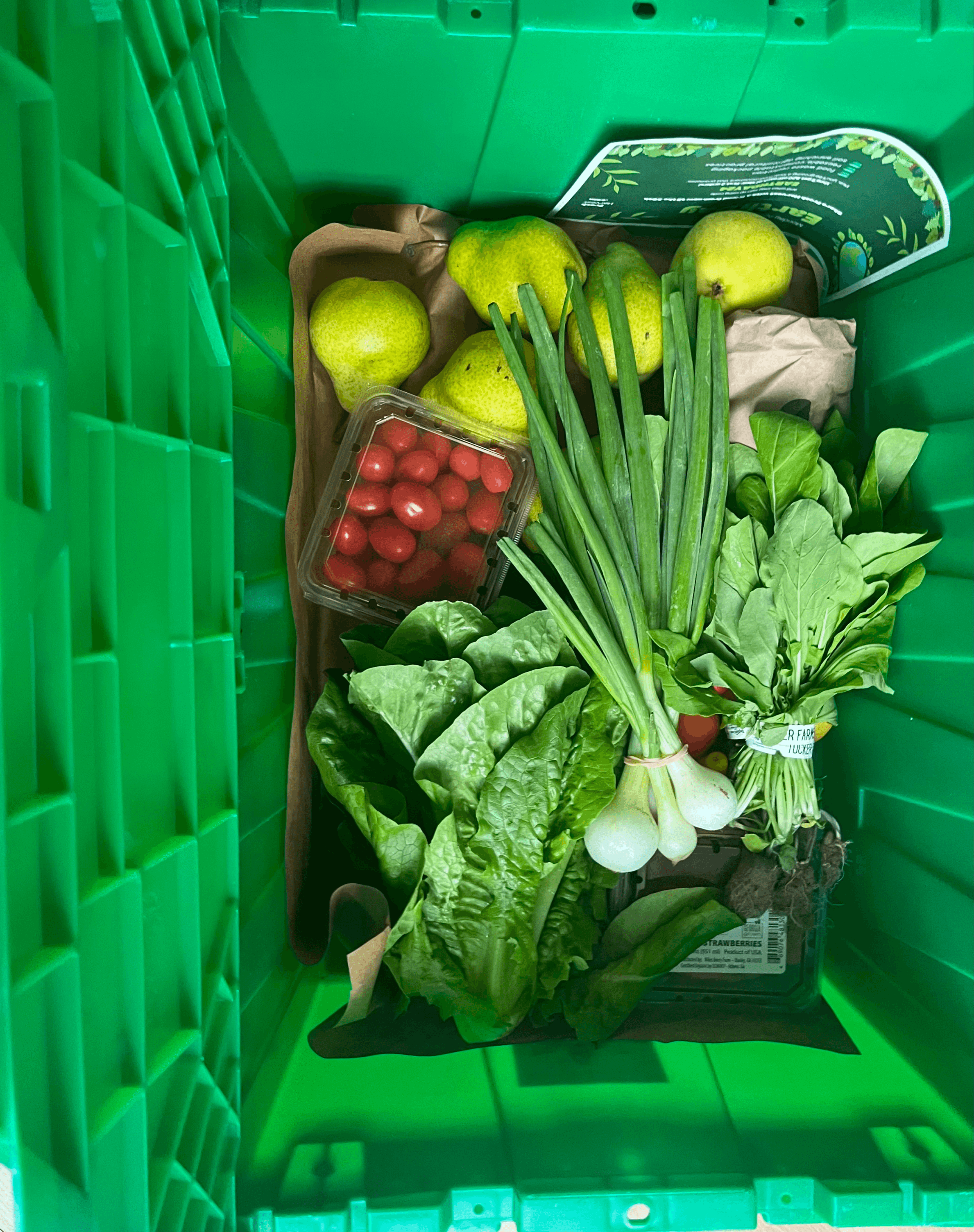
Locally sourced, sustainably packed/shipped
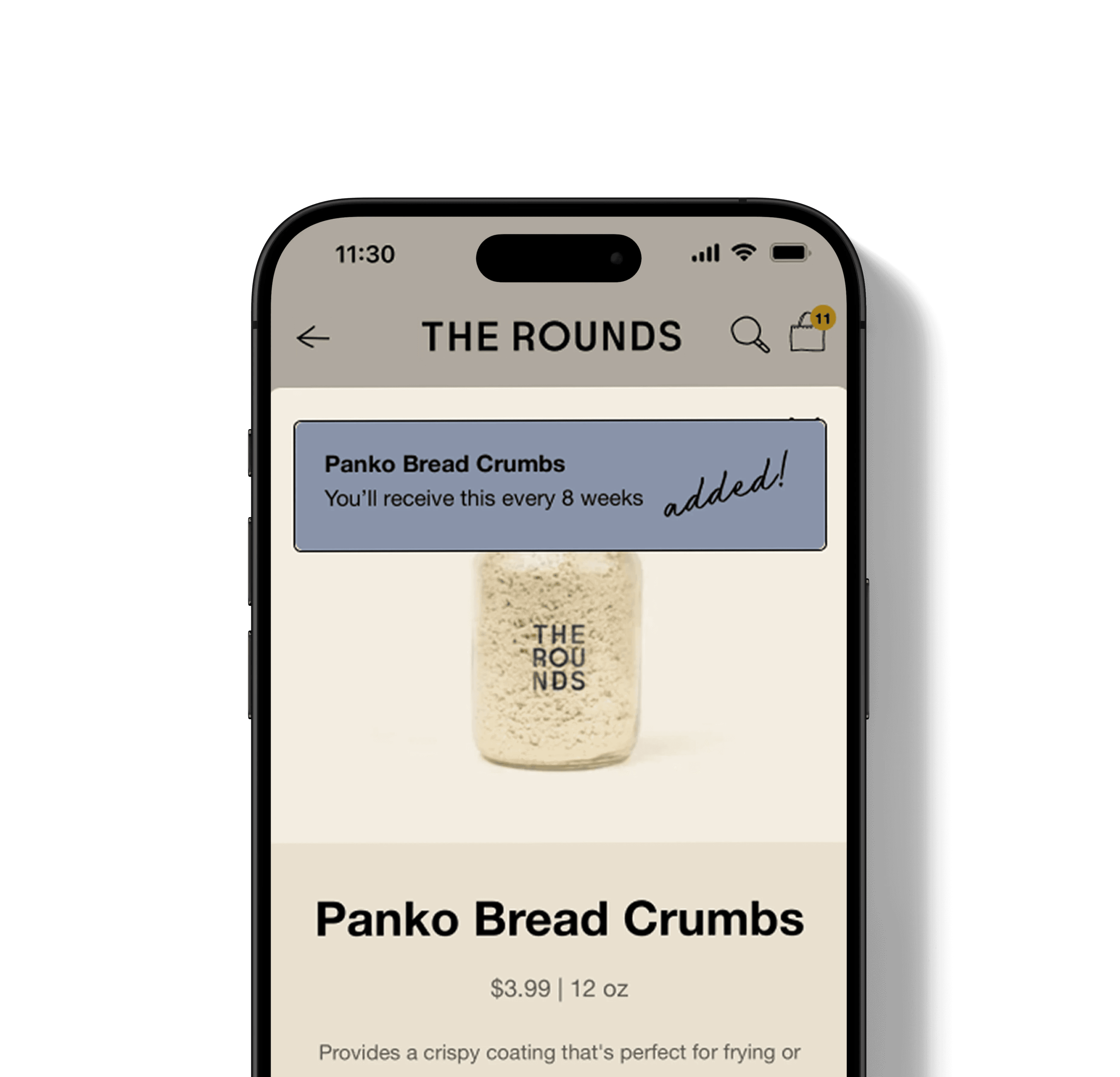
Recycle jars to close the ecosystem
PROBLEM
Users dropped after week one.
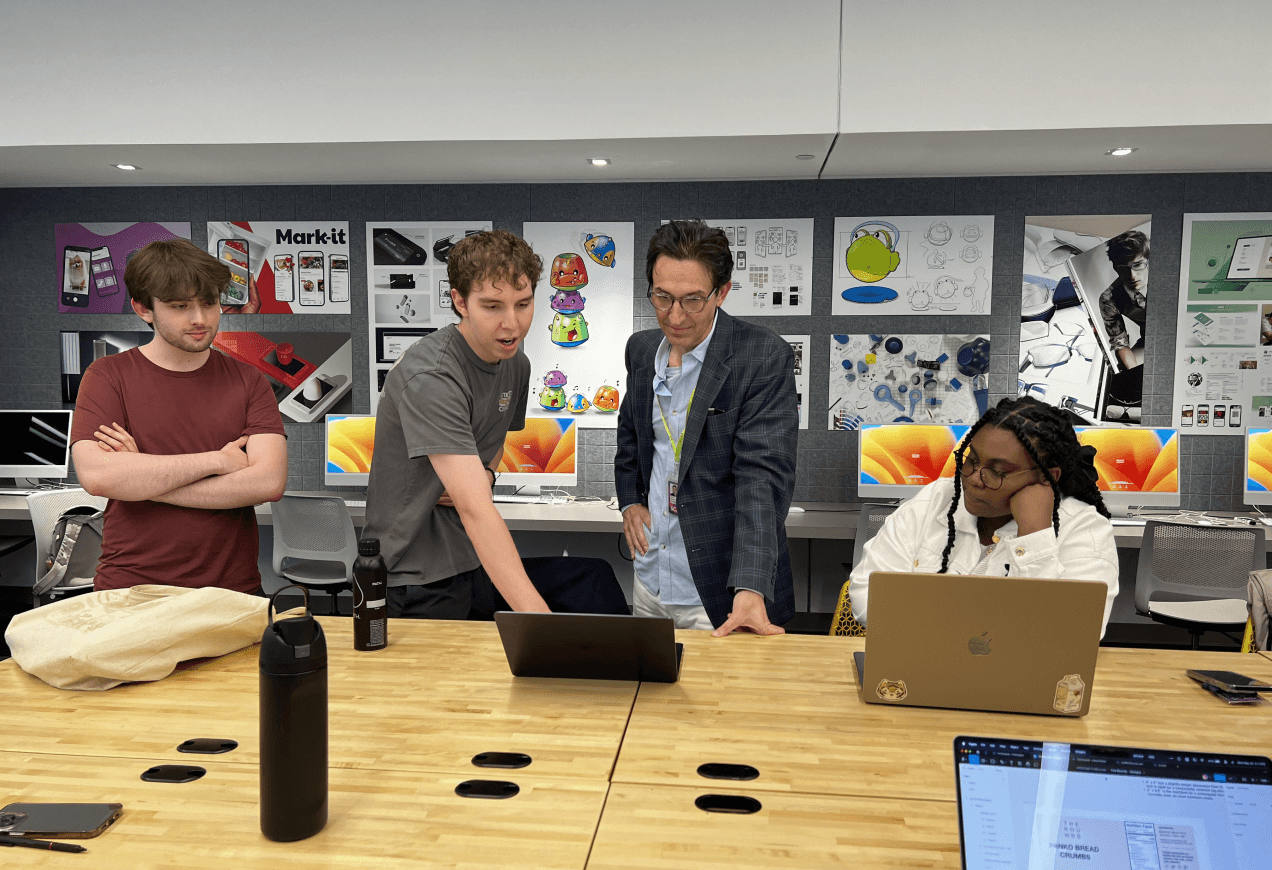
So I built a prototype and tested their entire product experience to figure out why.
"I didn’t even know I had ordered anything."
Users weren’t frustrated by missing products, they were confused by the system. They didn't understand the difference between orders and subscriptions and it wasn't their fault.
4/7 new users accidentally ordered $70+ on their first delivery.
“Where’s my cart? Confusion between orders vs. subscription
Visual hierarchy and brand consistency issues deepened confusion.
Users felt lost in the flow: “I feel like I’m in a maze.”
CONFLICT
Trying new products felt too risky.
Committing to a subscription before trying a product meant deciding frequency without knowing if you'd like it. Users faced decision fatigue, accidental orders, or canceling their entire subscription if they made a mistake.
"So what if they could buy once?"
A no-commitment first purchase removes friction and risk. You try it, you know what you like, then decide if it's worth subscribing.
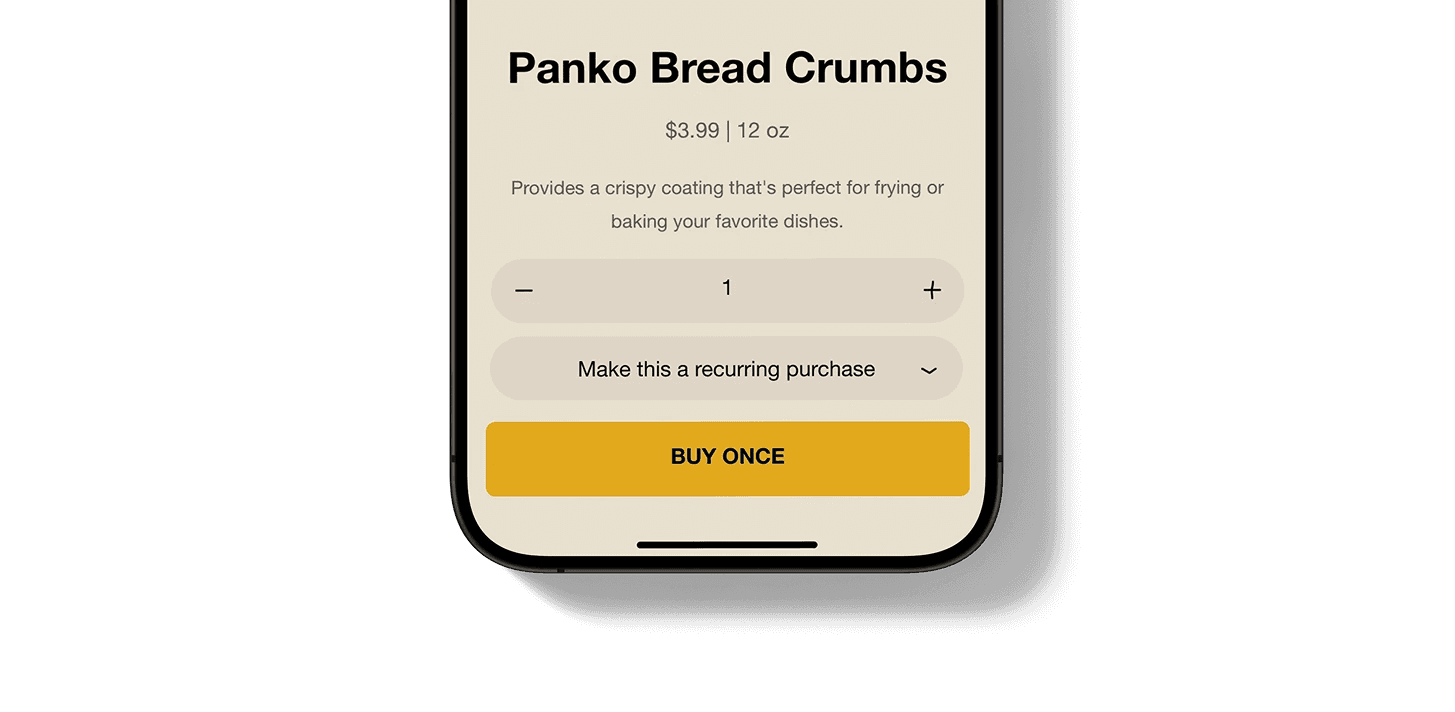
I pitched it to the
Chief of Product. He pushed back.
His point was solid: subscription is The Rounds' identity. Eliminating it entirely would sacrifice their edge.
I tried meeting them in the middle.
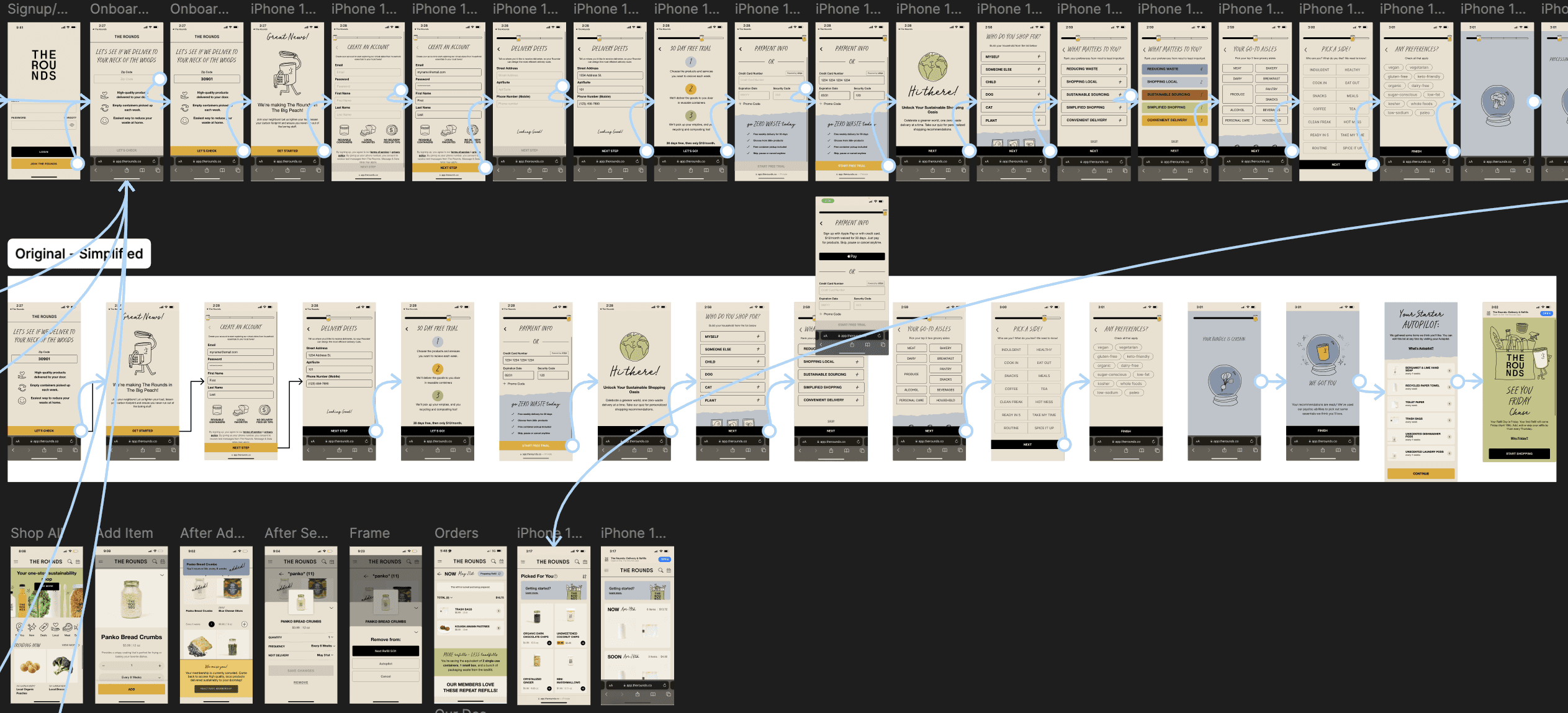
I designed a flow where the subscription only started after the second order, giving users space to try things while remaining subscription-forward.
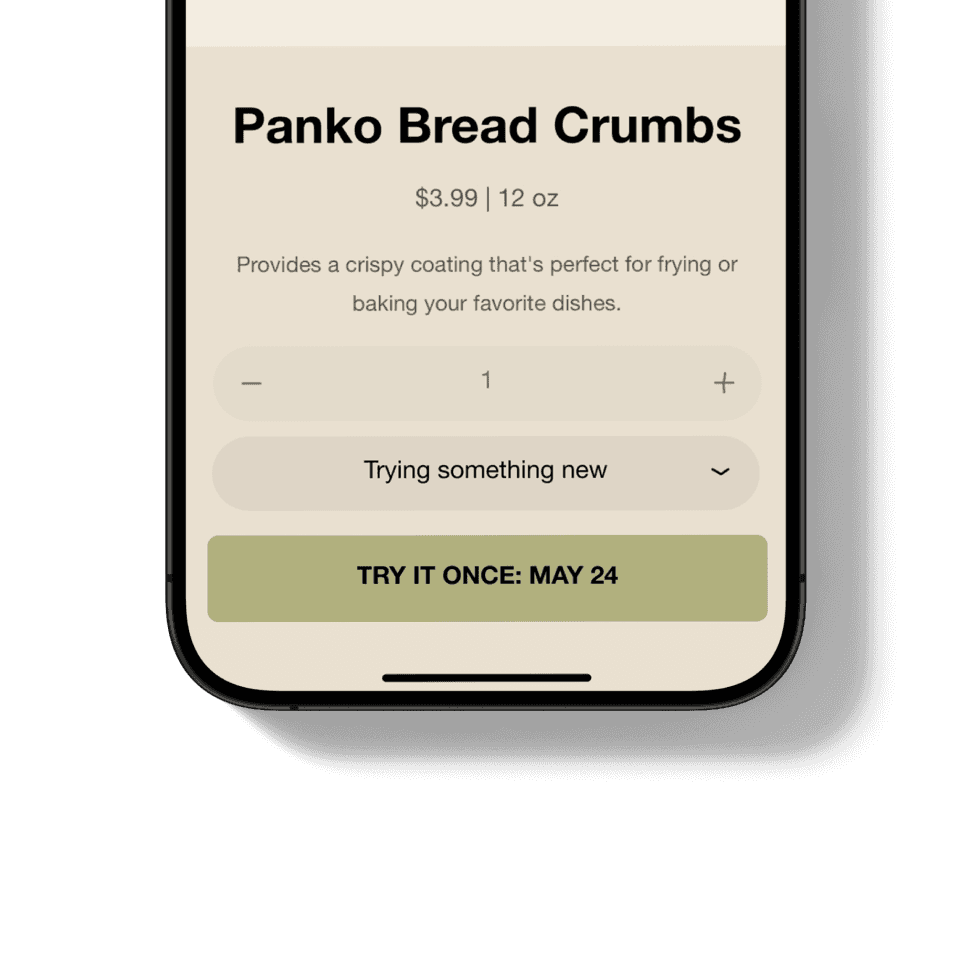
1.
FIRST PURCHASE
1.
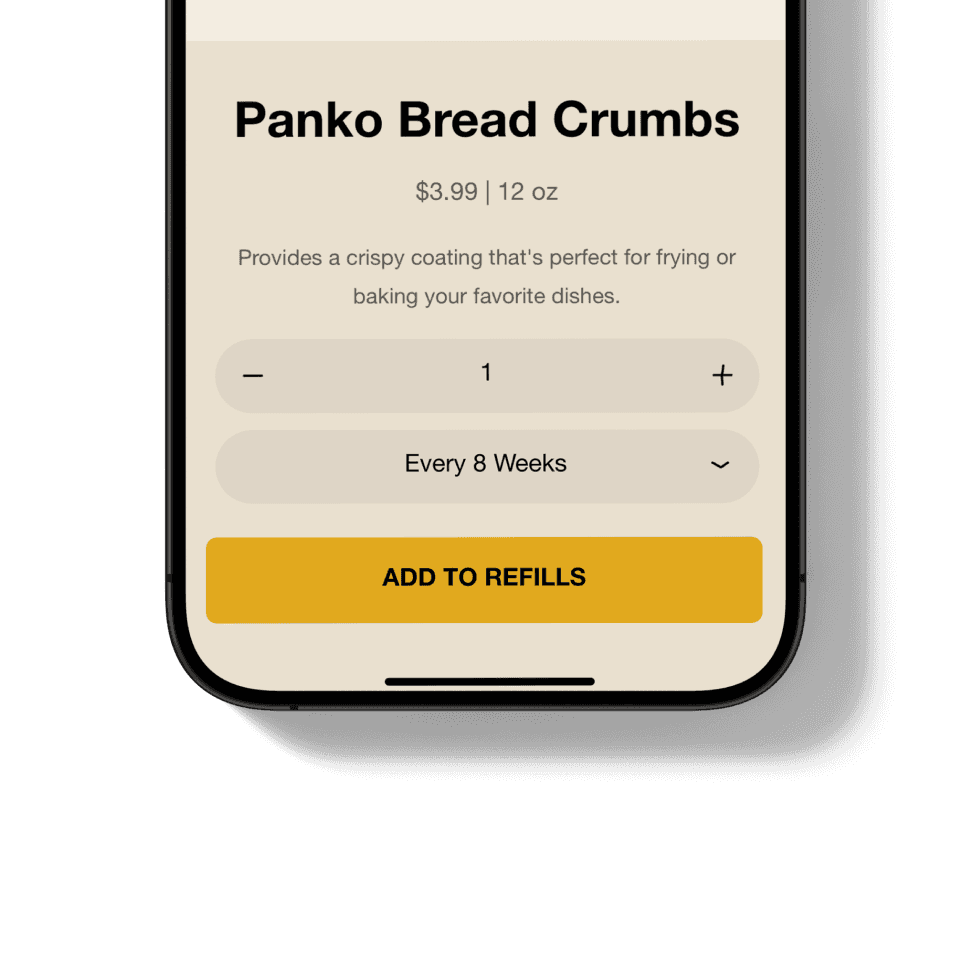
2.
NEXT PURCHASE
2.
Ultimately, leadership rejected it. The business model required subscriptions.
If I couldn't change the business model, I had to focus on the mental model.
The architecture created blind spots.
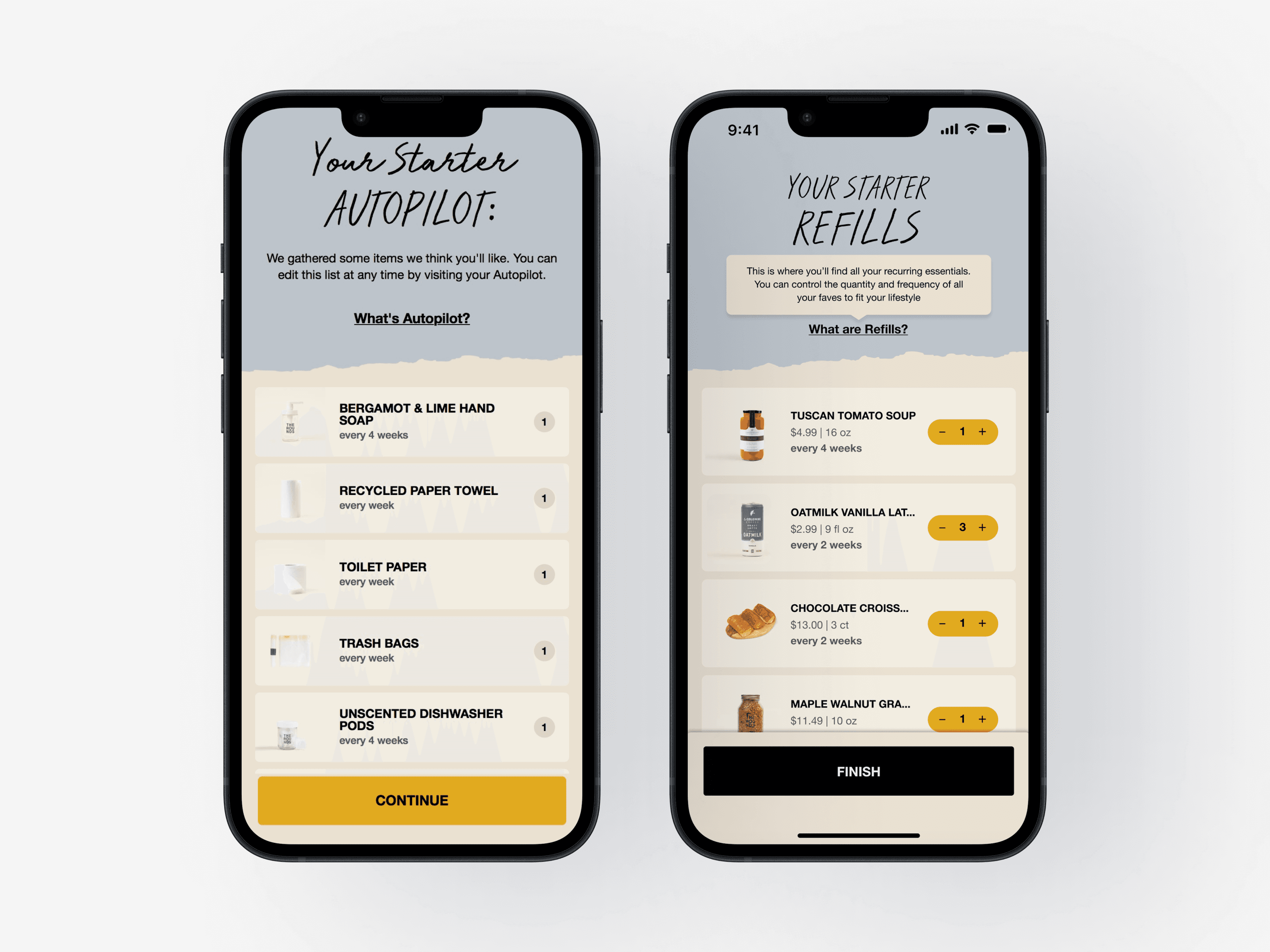
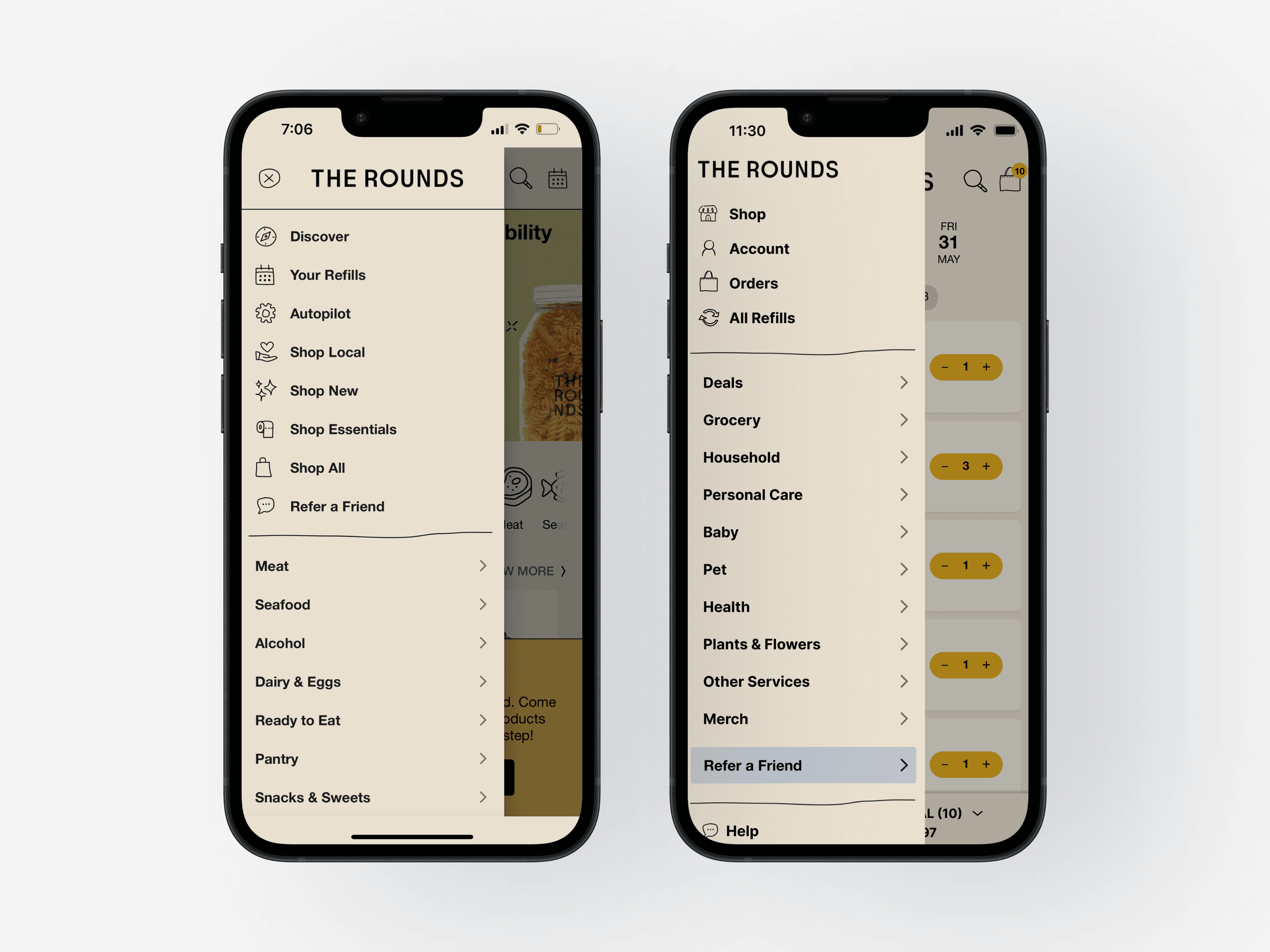
Vague terms like 'Autopilot' disguised spending as settings. I simplified the terminology and bridged the two, so users could see exactly how their subscription impacted their weekly bill.
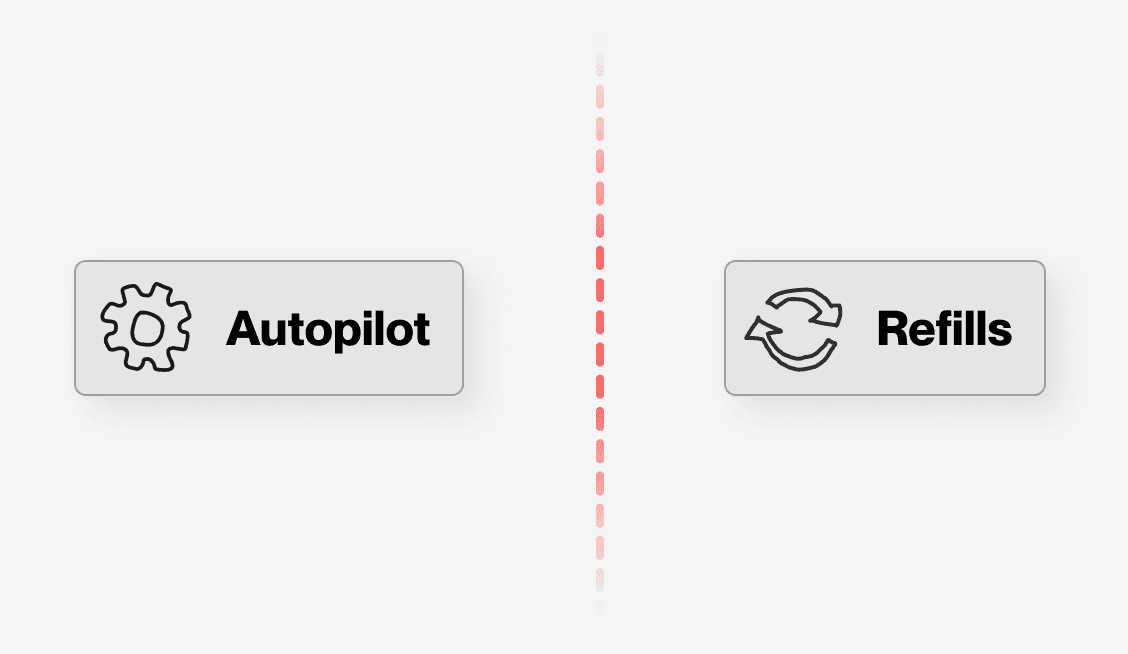
SILOED & AMBIGUOUS
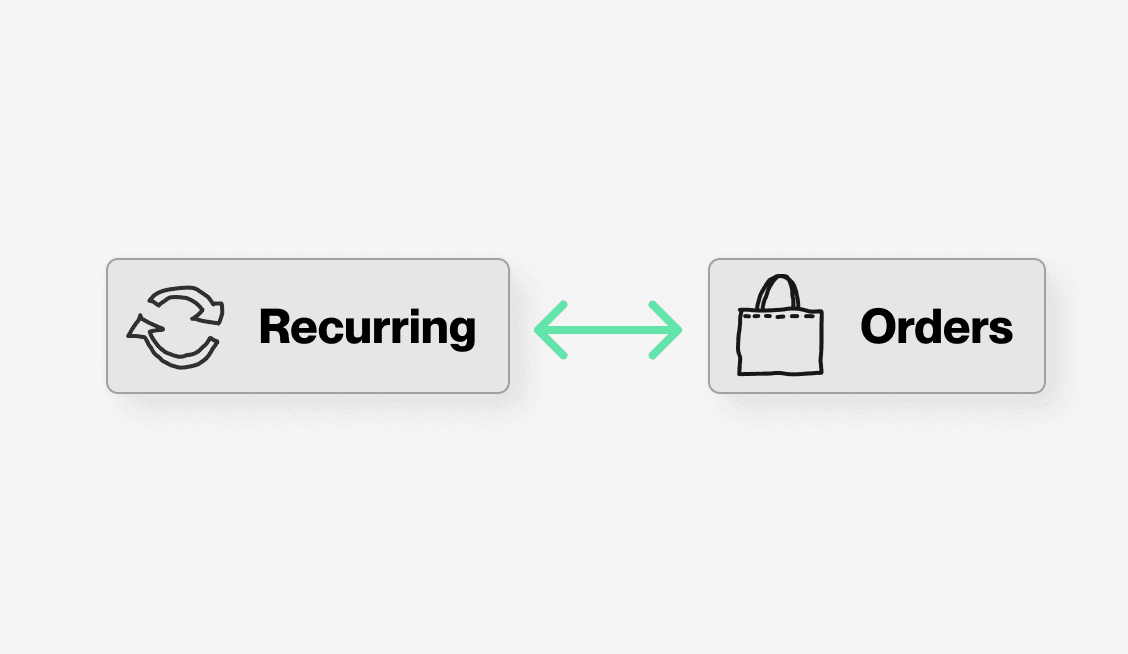
CONNECTED & CLEAR
SOLUTIONS
Clarity wins trust, and trust wins loyalty.
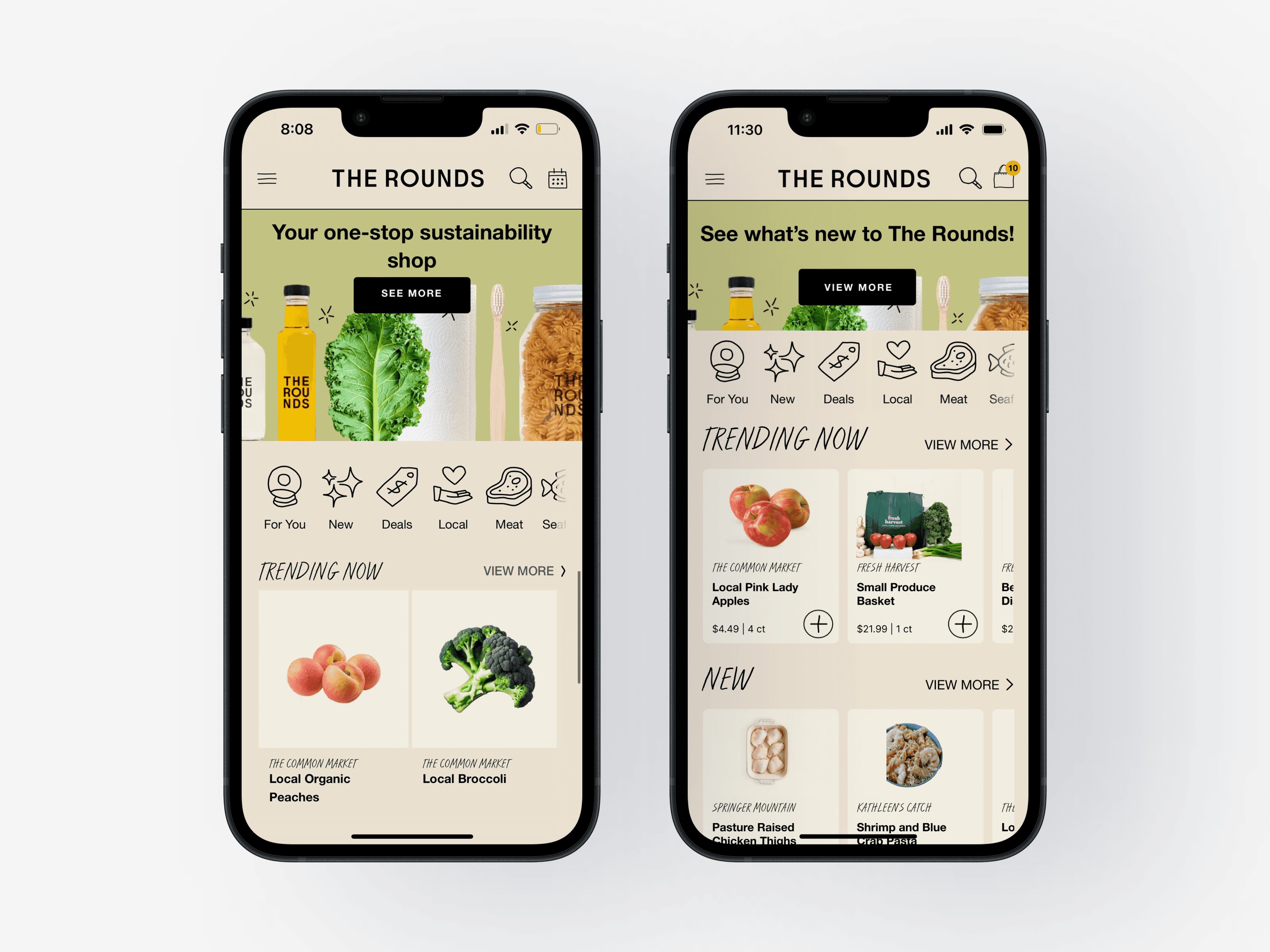
These four other changes went live. Each removed a layer of confusion from checkout and subscription management without changing the business model.
Compromise breeds excellent work.
The rejected concept taught me more than any approved design. Respecting constraints and working closely with stakeholders always results in better solutions.
The system became more usable.
SUS scores jumped from 27 to 79.
Users understood the service better.
Comprehension improved 1.5x.
Users rated the service significantly higher.
Sentiment doubled after redesign.
Users completed checkout faster.
Task time dropped from 45m to 15m.